
August 13, 2026

SFPC Alumni Profiles is a series featuring students who are practicing poetic computation in their communities and work.
Where are you from and where are you living now?
Tiger Dingsun: I’m from Portland, Oregon but also grew up in Dalian, China. I’ve lived in New York City for about 4 years now.
 Tiger’s computer desktop.
When did you study at SFPC?
TD: I took Instruments of the Black Gooey Universe in 2024, taught by American Artist and Zainab Aliyu. It was great taking a class with two artists that I really admire and whose work I’ve followed for a while. I also hadn’t done any physical computing things for years, so it was great to dip back into that with CW&T (Che-Wei Wang and Taylor Levy). I forgot how satisfying soldering can be!
What’s been going on lately? Can you share a photo you’ve taken or image you’ve saved in the past week?

TD: I saw this on a recent walk and it really made me nostalgic for winter.
How would you describe your work or practice?
TD: I’m a graphic designer and web developer. I tend to make websites for cultural institutions, non-profits, publications, and artists. I’m also the creative director at Triple Canopy, an arts non-profit and digital magazine. I have also occasionally written about fandom studies and internet culture.
As a graphic designer, I’m interested in words as material, and their phonaesthetics and affective qualities on a level more basic than denotative meaning. I’m interested in the fact that although language fails us constantly, it’s kind of the only thing we’ve got to work with. This (paradox? dilemma? situation?) of effing the ineffable is something that I find myself thinking about again and again from different angles — aesthetic, psychoanalytic, political. Words don’t come easy. I’ve also been really into photo-collage lately.
I try to follow my interests outside of design/technology as much as possible. Lately I’ve been (very casually) learning about geology and paleoanthropology, especially to try to think about what life, culture, aesthetics were like during a time when language was a very new technology.
 Triple Canopy’s website interface.
Can you share about a project you made while studying at SFPC?
TD: Around the same time as the class, I was working on a website for a project called Guanaquerx by the artist Paula Gaetano-Adi. Guanaquerx is a project in which Gaetano-Adi built a land exploration robot and recreated Jose de San Martin historic Crossing of the Andes of 1817, which consolidated the liberation of South America from Spanish forces.
 Guanaquerx’s website interface.
The website is meant as a way to document the robot and the exhibition, and to tether specific points of the journey to artifacts like photos and field recordings, as well as additional political, historical, and poetic materials.
 The land exploration robot created by Paula Gaetano-Adi.
How do you define poetic computation?
TD: To me, the utility of poetic computation as a framework or orientation is in its capacity to defamiliarize and denaturalize the most mundane parts of our computationally mediated lives—especially those aspects that corporate and political entities have a vested interest in invisibilizing.
What is inspiring you lately?
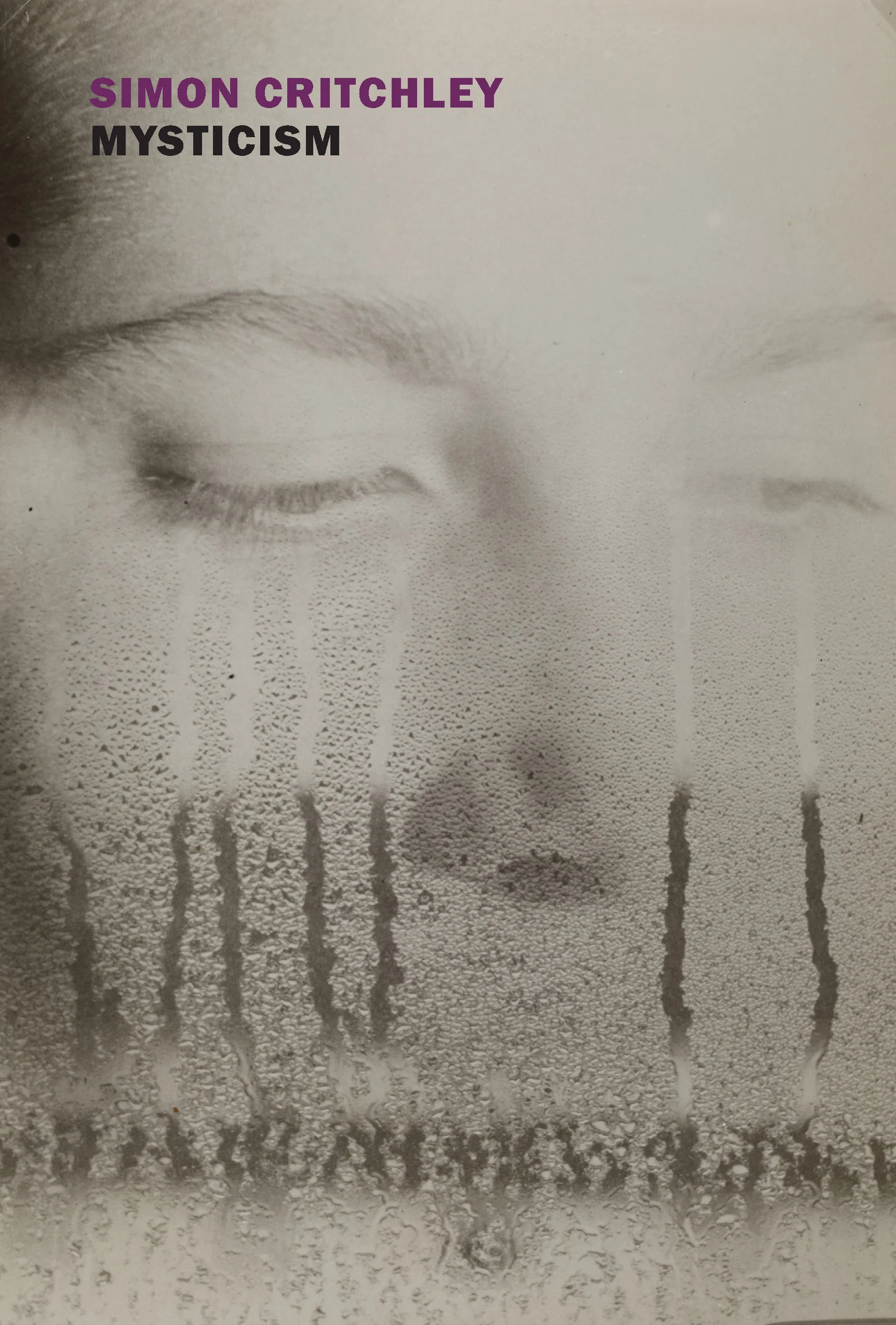
TD: I’ve been really enjoying Simon Critchley’s recent book On Mysticism. It also has a great cover. I’ve also been listening to a lot of podcasts that seem to orbit the same network: Ordinary Unhappiness, Know Your Enemy, In Bed with the Right, and A Bit Fruity with Matt Bernstein. They’ve been helpful in orienting myself politically and psychically as of late.
What is something you would like to learn more about?
TD: I’d like to learn more about rocks. Every couple of months I look up the difference between Gneiss, Karst, Schist, Slate, and Shale, and I never remember.
What is in your poetic toolkit?
TD: To be honest, nothing super crazy. When it comes to web frameworks, I like Svelte.
What’s a song you’ve been listening to lately?
TD: The new American Football single, Bad Moons.
You can find Tiger on Instagram and on tiger.exposed.